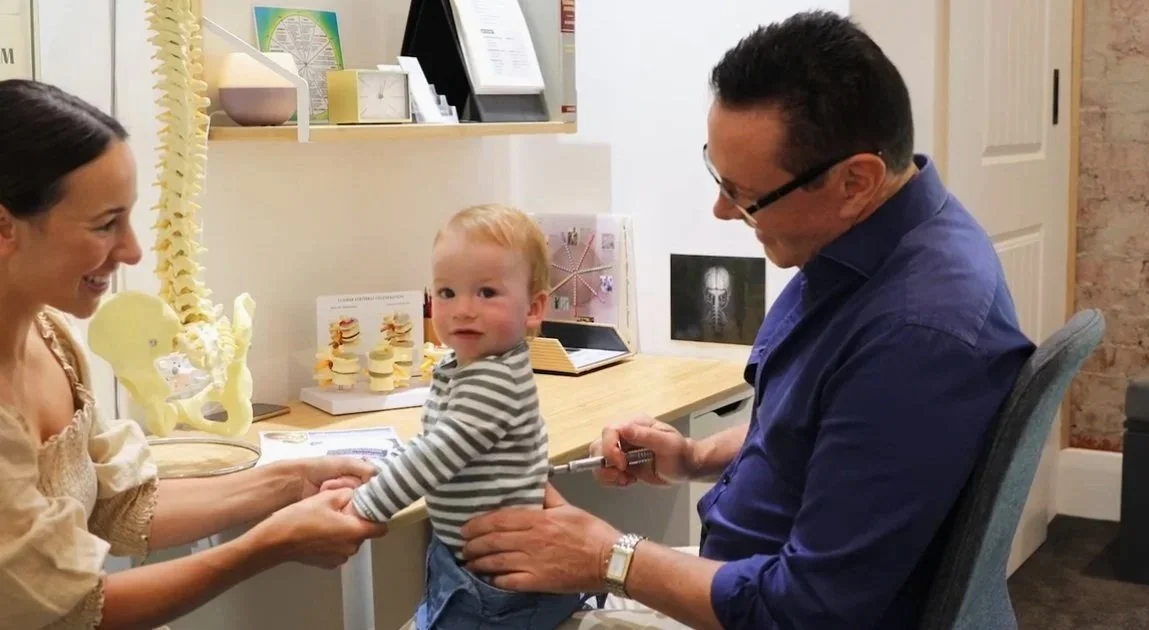
As a parent, have you ever wondered why your child struggles with experiences that come easily to others?
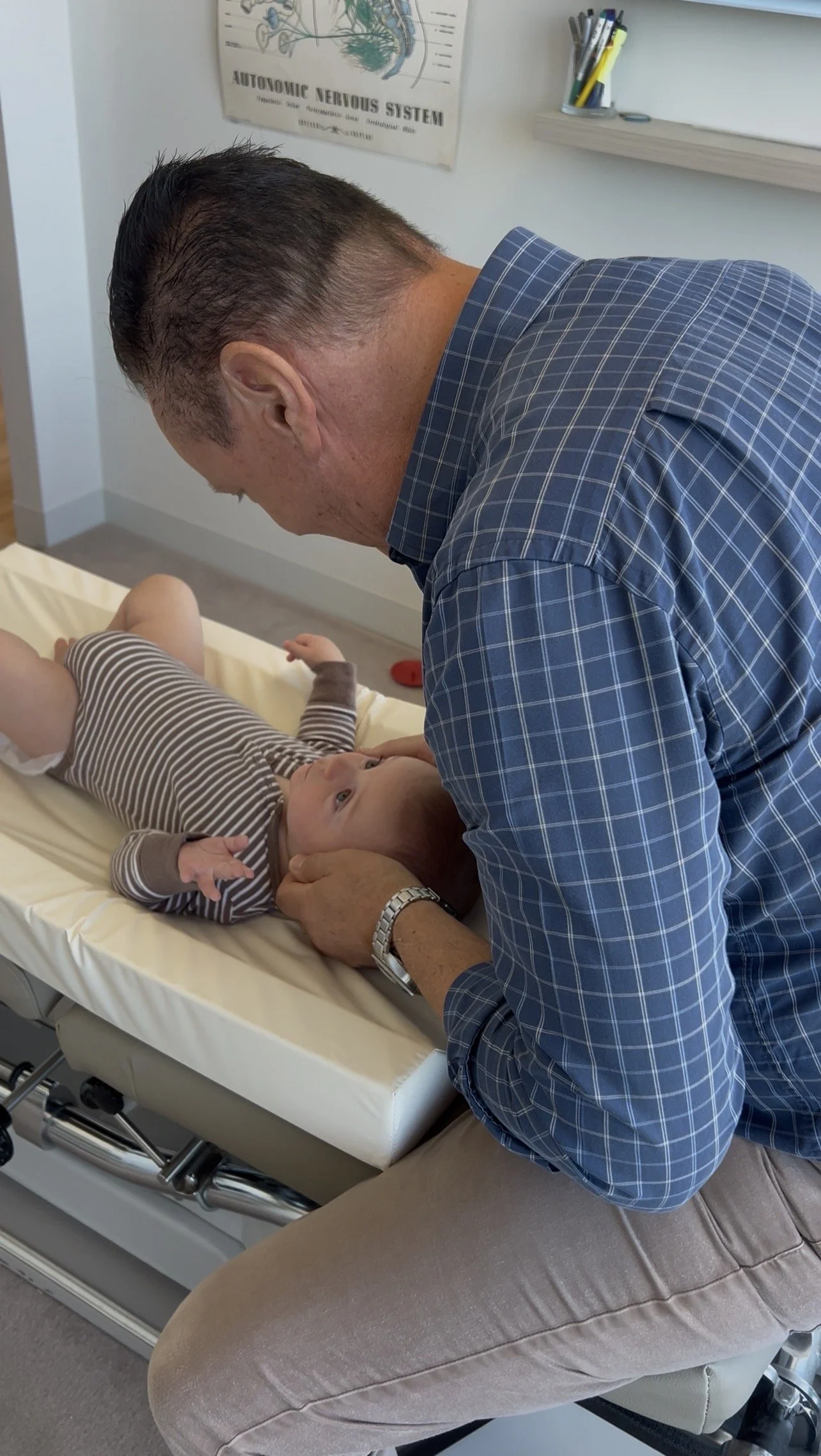
Nervous System Dysregulation: The Complete Guide For Parents
Frequent meltdowns, chronic stomach aches, sensory overload, mood swings, chronic sleep issues, defiance, hyperactivity, immune struggles: these challenges may seem unrelated to many, but to Neurologically Focused Chiropractors (experts in understanding the nervous system), they often point back to one very prominant, underlying issue.
Nervous System Dysregulation is a state in which the Autonomic Nervous System loses its ability to balance the sympathetic “fight or flight” stress response and the parasympathetic “rest, repair and regulate” response. That imbalance seriously disrupts how the brain and body communicate, affecting everything from digestion, sleep, immune function, emotional regulation, sensory processing and behaviour in children and adults alike.
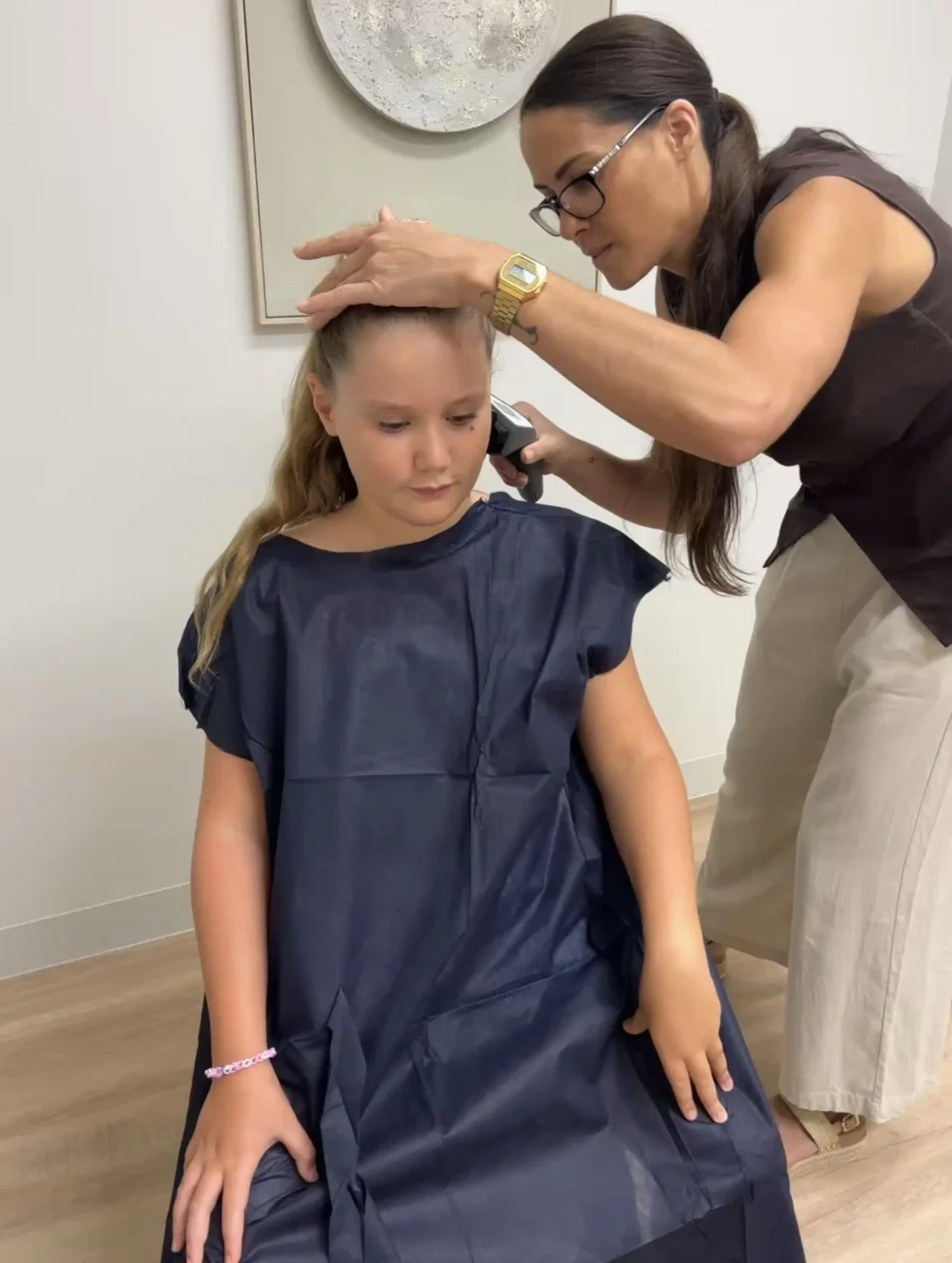
The Signs Of Nervous System Dysregulation In Kids
When a child becomes Dysregulated, it shows up in one of two directions. Hyperarousal is the child who is constantly anxious, wired and on edge. Hypoarousal is the child who appears shut down, disconnected or emotionally numb. Some children can swing between the two.
The most common signs that parents notice first:
Meltdowns that are out of proportion to the trigger and take a long time to come down from
Trouble falling asleep or staying asleep, night after night
Digestive complaints with no clear medical cause
Strong reactions to noise, light, textures or crowds
Difficulty with transitions and unexpected changes in plans
For a child living in dysregulation, the world often feels unsafe and too overwhelming. They may tell you “I can’t calm down”, “everything is too loud” or “my body won’t listen to me”. Younger children show their struggles through frequent meltdowns, difficulty with transitions or an inability to self-smoothe no matter how hard you try.
What Causes Nervous System Dysregulation in Kids?
Nervous System Dysregulation most often develops through an accumulation of stressors that Dr Tony Ebel, Founder of PX Docs calls The Perfect Storm and it has three core components.
Prenatal Stress
The first begins when a child is born. When a mother experiences chronic stress during pregnancy, stress hormones cross the placenta and can influence how the baby’s nervous system develops. Fertility struggles, maternal stress, trauma during pregnancy and prenatal complications all introduce early neurological stress during a sensitive developmental window. The baby’s Autonomic Nervous System (the vagus nerve in particular) is highly susceptible during this period.
Birth Trauma and Interventions
The second component is the birth process itself. Births involving interventions such as forceps, vacuum extraction or caesarian section can create physical stress on a newborn’s delicate nervous system, with the potential to disrupt brain-body communication in the brainstem. That region functions as “Air Traffic Control” for the entire nervous system, so disruption can cause a cascade of negative effects. The upper cervical vertebrae protect the brainstem, the spinal cord and the vagus nerve and they sit at the gateway for cebebrospinal fluid flow that nourishes the brain and clears waste from it. With caesarian rates rapidly increasing and interventions increasingly common, more children than ever carry some degree of early nervous system stress. In PX Docs practices around the world, we see a very siilar pattern - first it’s colic and sleep problems in infancy, then it turns into anxiety, ADHD and sensory challanges as the child growns.
Toxic Load and Early Childhood Stressors
The third component is everything that stacks up after birth - chronic illnesses and repeat infections, frequent antibiotic use that disrupts the gut microbiome and the gut-brain axis, environmental toxins including heavy metals, pesticides and preservatives, sensory overload from bright lights, loud noises or chaotic environments, excessive screen time and device use, poor diet, blood sugar swings and nutrient deficiencies, lack of physical activity and time outdoors.
These stressors accumulate, layer upon layer - contributing to spinal subluxation and autonomic nervous system dysfunction. Dysregulation doesn’t happen overnight. It builds through cumulative effects, during periods when the nervous system is most impressionable.
Common Signs Of Dysregulation In
Older Kids:
Physical: Chronic pain, headaches, digestive issues, respiratory problems, sleep distrubances, chronic fatigue, recurrent illness, food sensitivities and avoidance.
Cognitive and Emotional: Difficulty concentrating, poor memory, learning challenges, anxiety, emotional dysregulation, low frustration tolerance, brain fog, panic attacks.
Behavioural: Hyperactivity, impulsitivity, aggression, social withdrawal, difficulty with transitions, ridid behviours, sensory sensitivity, tics.
Why Conventional Approaches Fall Short..
Autonomic Nervous System Dysfunction is rarely part of a standard paediatric workup, so families cycle through appointments, Doctors and Specialists without anyone understanding or investigating the pattern connecting all of their child’s symptoms.
As Neurologically Focsued Chiropractors, we understand this problem intimately and the signs set in early. First appearing as colic, constipation and chronic ear infections in infants. Too often they are passed off as normal, and parents are told a version of “don’t worry they will grow out of it.” And although we are not categorically against medication. It matters a great deal in severe cases. Medication alone doesn’t address why the problem is happening in the first place. It manges the symptoms, leaving the underlying neurological dysfunction untouched.
The conventional model also fragments care, sending children to a different specialist for each symptom. Failing to address the nervous system that connects them all.
As Neurologically Focused Chiropractors our mission is to support the dysregulated nervous system by working on the neurological root cause, instead of chasing symptoms one at a time.
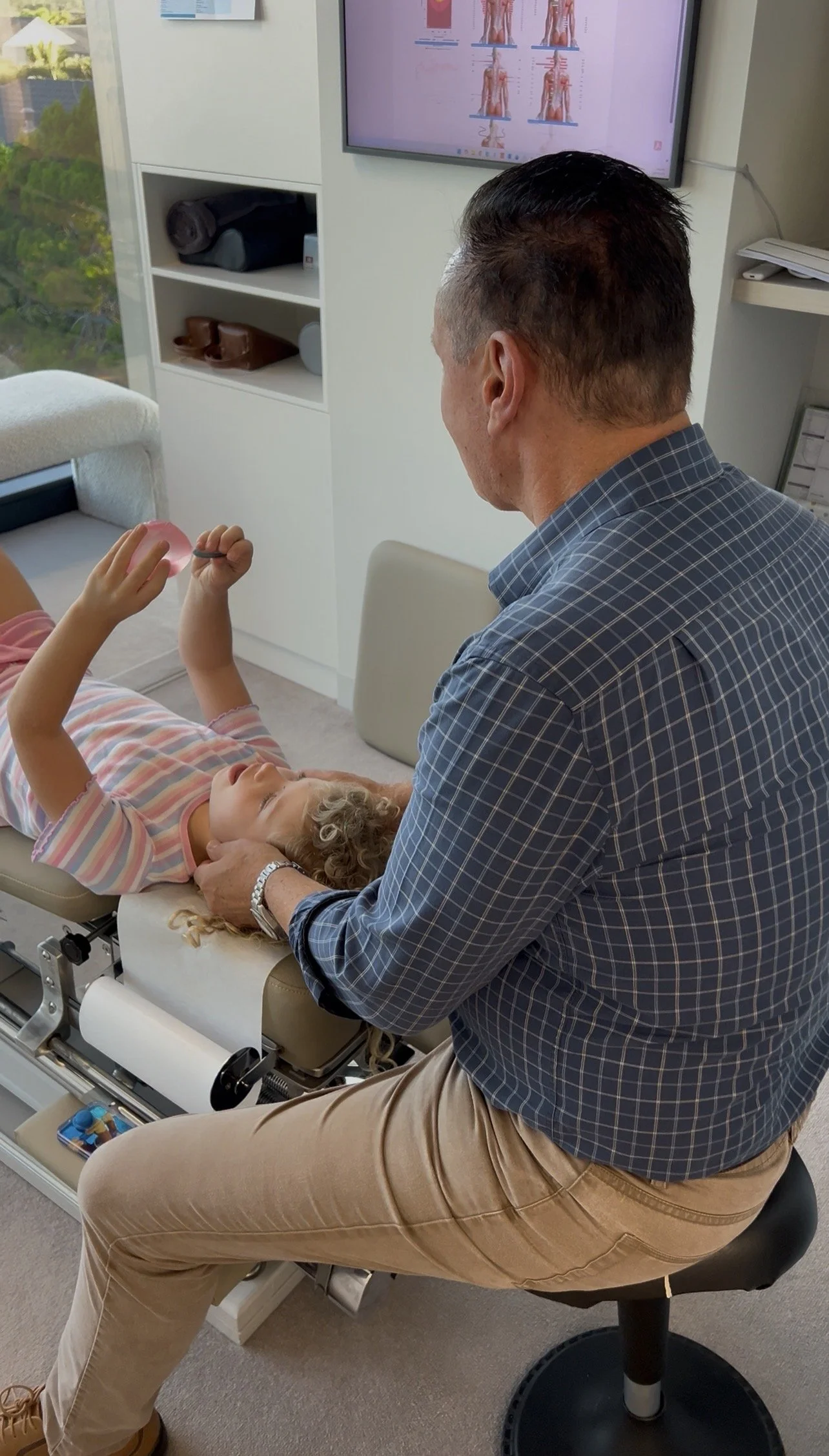
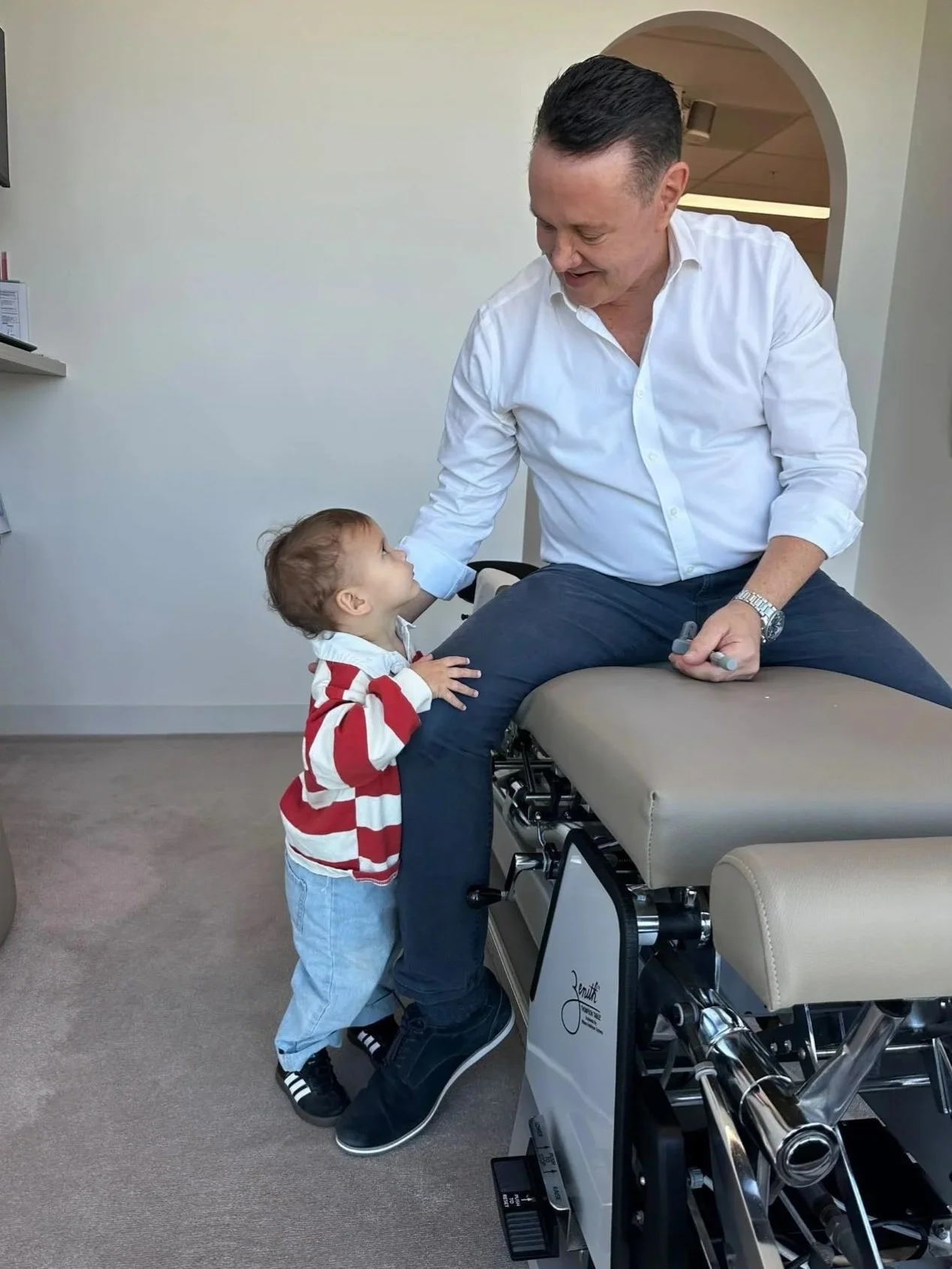
What Families Are Saying:“My three kids and I travelled interstate to see Dr Ashley, and have now completed two intensive treatment visits over the school holidays, and on both occasions, I have felt like I have come home with different children.
Dr Ashley, Michaela, and the whole team made us feel genuinely welcome from the very first visit. They took the time to understand our history, listen to our concerns, and create care plans tailored to each person. You can see they have a deep passion for their work and are invested in seeing kids thrive. That energy flows through every single session and makes the whole experience feel personal and meaningful.
Dr Ashley's depth of knowledge and experience is immediately evident, but what truly sets him apart is how much he cares and how naturally he connects with the children. He has an incredible ability to meet kids exactly where they are, making them feel at ease and involving them in the adjustment process. In most sessions, my kids are laughing, and they are so excited to come back the next day. This is Life is truly one of a kind, and I'm so glad I found them.”
Start With Our Exclusive
New Patient Process
Your first step is to take part in our 2-part consultation process with Dr Ashley. Designed to identify if Nervous System Dysregulation is at the core of your child’s health issues, and if Neurologically Focused Chiropractic care is the right fit for your family.
You’ll walk away with:
A clear understanding of what’s driving your child’s health, behavioural or developmental struggles
Personalised data driven insights from our state of the art INSiGHT nervous system scans, conducted for your child
A personalised care plan and step-by-step path to move forward, grounded in 4 decades of expertise, PX Docs protocols and the latest ground breaking research from around the world.
Very limited Consultation appointments are available weekly.
Dr Ashley’s protocols involve high-level Neurologically Focused Chiropractic care that is designed for families who are ready for a powerful shift in their health and quality for life.
If that is you, click the link below to secure a consultation appointment today.
Research and References:
Haas, A., Chung, J., Kent, C., Mills, B., & McCoy, M. (2024). Vertebral Subluxation and Systems Biology: An Integrative Review Exploring the Salutogenic Influence of Chiropractic Care on the Neuroendocrine-Immune System.